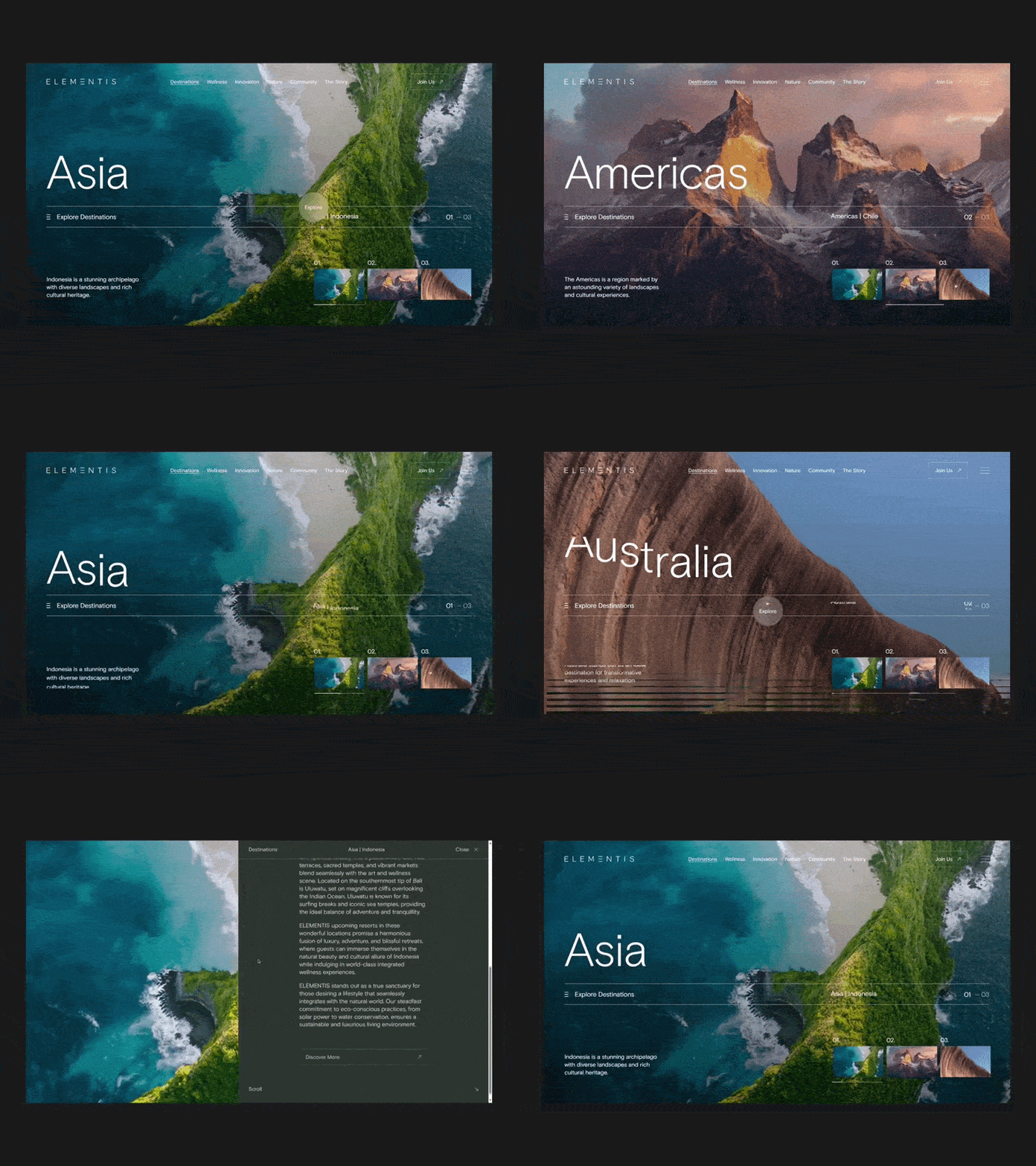
Author: Abinaya – Full Stack Developer
The travel industry has become increasingly digital, and a modern travel website is more than just a platform for bookings—it is the gateway to unforgettable travel experiences. Whether it's booking flights, hotels, holiday packages, or local experiences, users expect a fast, secure, and intuitive website that simplifies every step of their journey.
A well-developed travel website combines functionality with an exceptional user experience. Features such as advanced destination search, real-time availability, secure online payments, interactive maps, itinerary planning, customer reviews, and multilingual support help travelers make informed decisions quickly and confidently. A responsive design ensures the experience remains smooth across desktops, tablets, and mobile devices.
From a development perspective, scalability and performance are critical. Travel websites handle thousands of searches, bookings, and transactions every day. Integrating cloud infrastructure, secure payment gateways, APIs for flights and hotels, and automated booking management ensures reliable performance even during peak travel seasons.
Personalization is also shaping the future of travel platforms. AI-powered recommendations, location-based suggestions, dynamic pricing, and personalized travel packages help businesses deliver experiences tailored to each user's preferences. This not only improves customer satisfaction but also increases engagement and booking conversions.
As the travel industry continues to evolve, businesses need websites that are fast, scalable, and future-ready. Investing in a modern travel website enables companies to streamline operations, attract more travelers, and provide seamless digital experiences that turn every booking into the beginning of a memorable journey.