Author: Ricky Davidson – UI/UX Designer
In today’s fast-moving digital world, users expect more than just a good interface — they expect an experience. Modern UI/UX design has evolved into a blend of smooth animations, seamless interactions, and visually intelligent layouts that guide users effortlessly from one action to another. This shift is redefining how businesses build apps and websites in 2025.
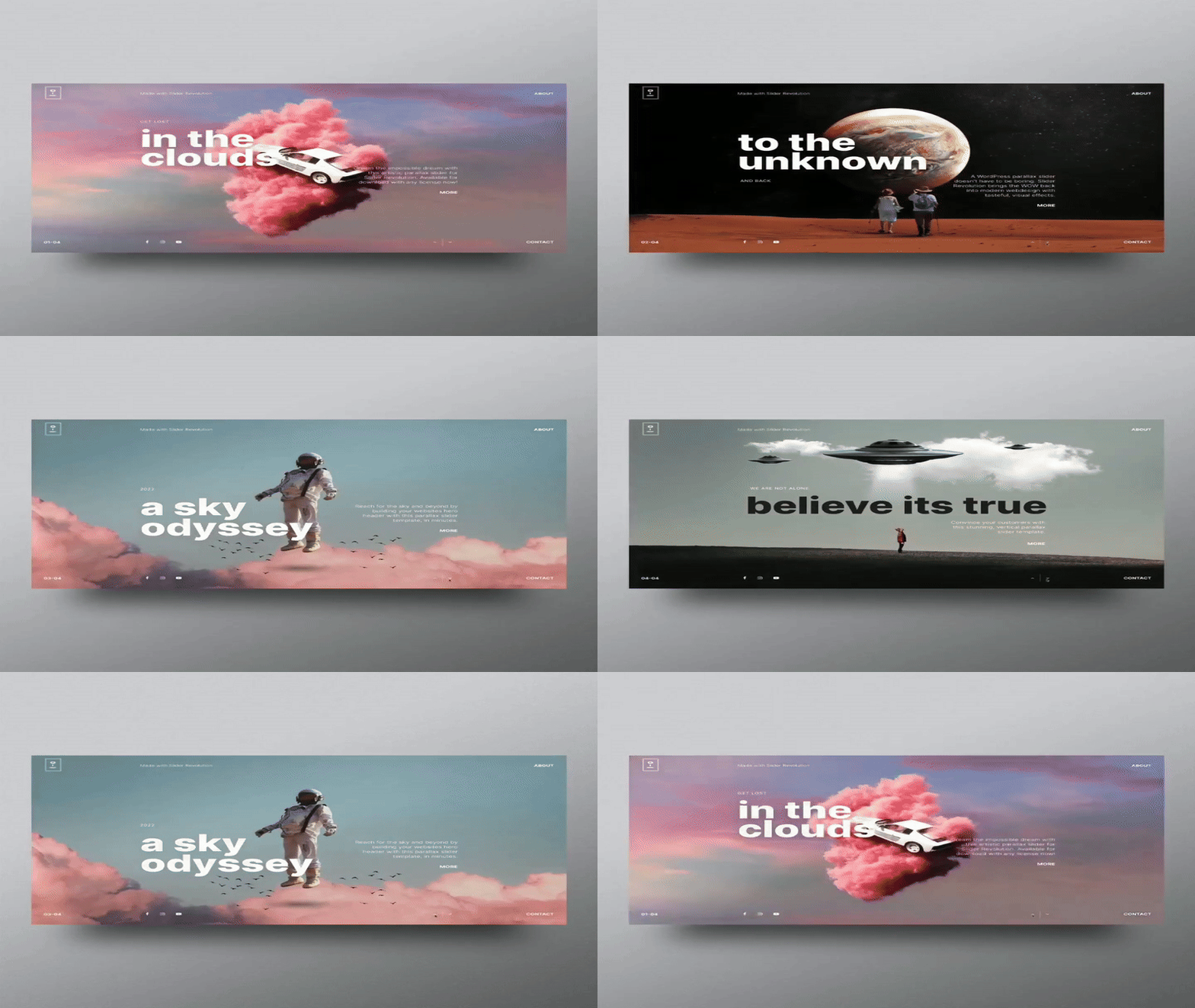
Smooth animations play a major role in modern design. They create flow, reduce cognitive load, and make transitions feel natural rather than abrupt. Micro-interactions — like button ripples, hover states, and subtle motion cues — add clarity and delight without overwhelming users. When done right, animations enhance usability instead of distracting from it.
Seamlessness is equally important. A modern interface should feel frictionless, where every tap, swipe, or scroll responds instantly. Clean spacing, consistent components, and intuitive placement help users understand actions without needing instructions. This simplicity builds trust and keeps users engaged longer.
Modern UI/UX also focuses heavily on responsiveness. Whether users are on mobile, tablet, or desktop, the experience must remain consistent and fluid. Adaptive layouts, gesture-friendly navigation, and dynamic components ensure the design stays elegant across all screen sizes.
Behind the scenes, designers are now combining motion design principles with real-time interaction patterns. This creates interfaces that feel alive — guiding the user, highlighting important elements, and improving accessibility.
In 2025, seamless and animated UI/UX design is not just about aesthetics; it’s about improving performance, clarity, and emotional connection. Businesses that invest in modern, motion-enhanced design stand out instantly, offering experiences that users enjoy, remember, and return to.