Author: Elsin – Full stack Developer
In today’s digital-first business environment, data alone is not enough — understanding and acting on it is what drives growth. Data analytics and dashboards help organizations transform complex information into clear, visual insights that support faster and smarter decision-making.
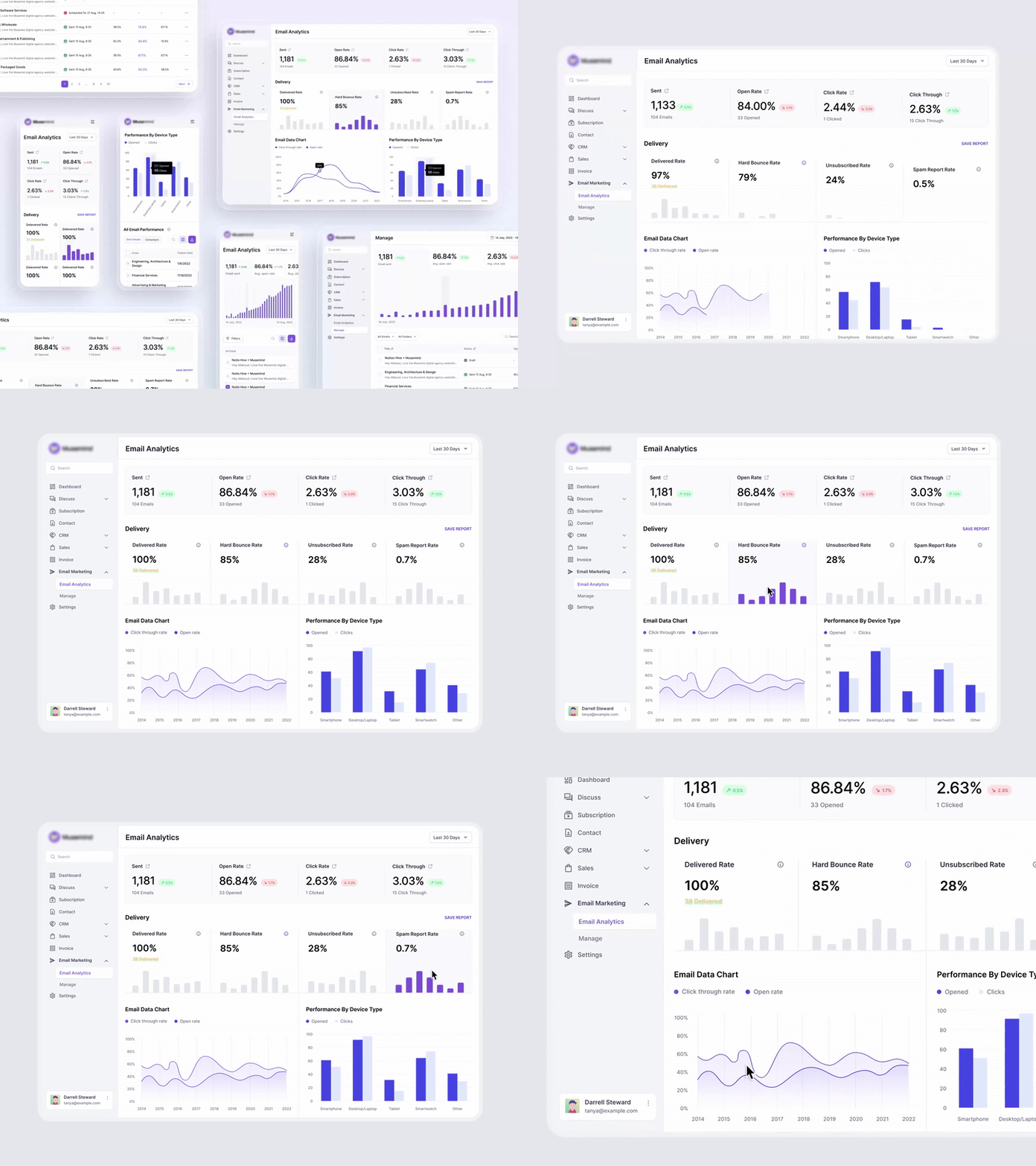
Modern dashboards centralize data from multiple sources such as sales, marketing, operations, and customer interactions. Instead of working with scattered reports or spreadsheets, teams gain a single, real-time view of performance. This clarity allows businesses to identify trends, spot issues early, and respond with confidence.
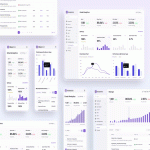
Effective dashboards are built on both strong analytics and thoughtful UI/UX design. Clean layouts, intuitive visual elements, and clear data hierarchies ensure that users can quickly interpret information without confusion. When insights are easy to understand, teams are more likely to use data consistently in their daily workflows.
Data analytics also enables predictive insights. By analyzing patterns and historical data, businesses can forecast outcomes, optimize strategies, and make proactive decisions. When combined with automation, dashboards can generate alerts and recommendations that guide teams toward better results.
For growing businesses, data analytics and dashboards are not just reporting tools — they are strategic assets. They improve transparency, enhance collaboration, and help organizations move from reactive decision-making to data-driven growth.